
Budget Party Food Spreads Guide
📖 Table of Contents
I remember hosting my first party with only $150 to work with, and I was terrified. I had no idea where to start, how to make the food look good, or how to keep the guests happy without breaking the bank. But after some trial and error, I discovered a few smart tricks that turned my small budget into a memorable spread. Whether you're hosting a birthday, a housewarming, or a simple get-together, the right approach can make all the difference.
A budget party food spread doesn’t have to mean sacrificing quality or flavor. In fact, I’ve found that focusing on variety, presentation, and clever sourcing can lead to a feast that impresses even the most discerning guests. The key is to think strategically about how to maximize your budget while keeping the menu exciting and easy to manage.[1]
The beauty of a budget party food spread is that it’s flexible. Whether you're planning for a group of twelve or a small gathering of friends, the same principles apply. All it takes is a little planning, a few smart choices, and a willingness to experiment with what’s available. Let’s walk through how to create a truly impressive spread without the price tag.
Why You'll Love This Budget Party Food Spreads Guide
- You’ll learn how to create an impressive spread without overspending.
- Discover clever, practical hacks that save time and money.
- Get tips on sourcing and arranging food that look great and taste even better.
- Avoid common mistakes that lead to wasted money and unhappy guests.
The Power of Planning Ahead
As of September 2026, I learned the hard way that rushing into a party without a plan leads to frustration and wasted money. The first step is to decide what kind of spread you want — casual, elegant, or themed — and then match it with your budget. I always start with a list of what I need and how much it should cost.
For example, if I’m hosting a casual summer party, I might opt for a self-serve buffet with dips, cheeses, and charcuterie. I know my budget allows for $120, so I calculate the number of portions needed based on the number of guests. With 12 guests, I can comfortably plan for around 15 portions.[2]
By planning ahead, I’ve been able to avoid last-minute purchases and unexpected costs. I use a simple spreadsheet to track everything from food to tableware, and it’s made a world of difference in keeping things under control.
Create a table with columns for item, quantity, cost, and total. This helps you track your budget in real time and avoid overspending.
Part of our Budget party food spreads guide.
Maximizing Variety with Minimal Cost

I’ve found that mixing and matching different textures, colors, and flavors can make a big difference in the way a spread looks and feels. For example, pairing crispy crackers with soft fruits or creamy cheeses adds depth and interest.
One of my favorite budget tricks is to use seasonal produce, which is often cheaper and more flavorful. Last summer, I used fresh mango and pineapple to create a colorful fruit platter that was both cheap and delicious.
I also like to include dips and spreads, which are easy to make and can be used with a variety of foods. A good hummus or guacamole can stretch your budget and provide a versatile element that complements many dishes.
Variety doesn’t mean expensive — it means thoughtful.
Related: Party food spreads budget for beginners
Sourcing Smartly for the Best Value
I’ve saved hundreds of dollars by shopping at local markets and stores that offer bulk discounts. I always check for sales and coupons, and I’ve found that buying in bulk — especially for items like cheese, bread, and crackers — can be a huge money-saver.
I also like to use leftover food from my own kitchen or ask friends if they have anything they’re willing to share. For example, I once used my friend’s leftover lasagna as part of a lunch buffet and it was a hit.
Another tip I’ve picked up is to buy in-season items from local vendors. Not only are they cheaper, but they’re also fresher and more flavorful. This approach has helped me create spreads that are both affordable and impressive.
Don’t forget to use leftovers or ask friends if they can contribute. This can be a great way to save money and add a personal touch.
“I remember hosting my first party with only $150 to work with, and I was terrified.”— Platterlane editors
Related: Simple party food spreads budget
Arranging the Spread for Maximum Impact
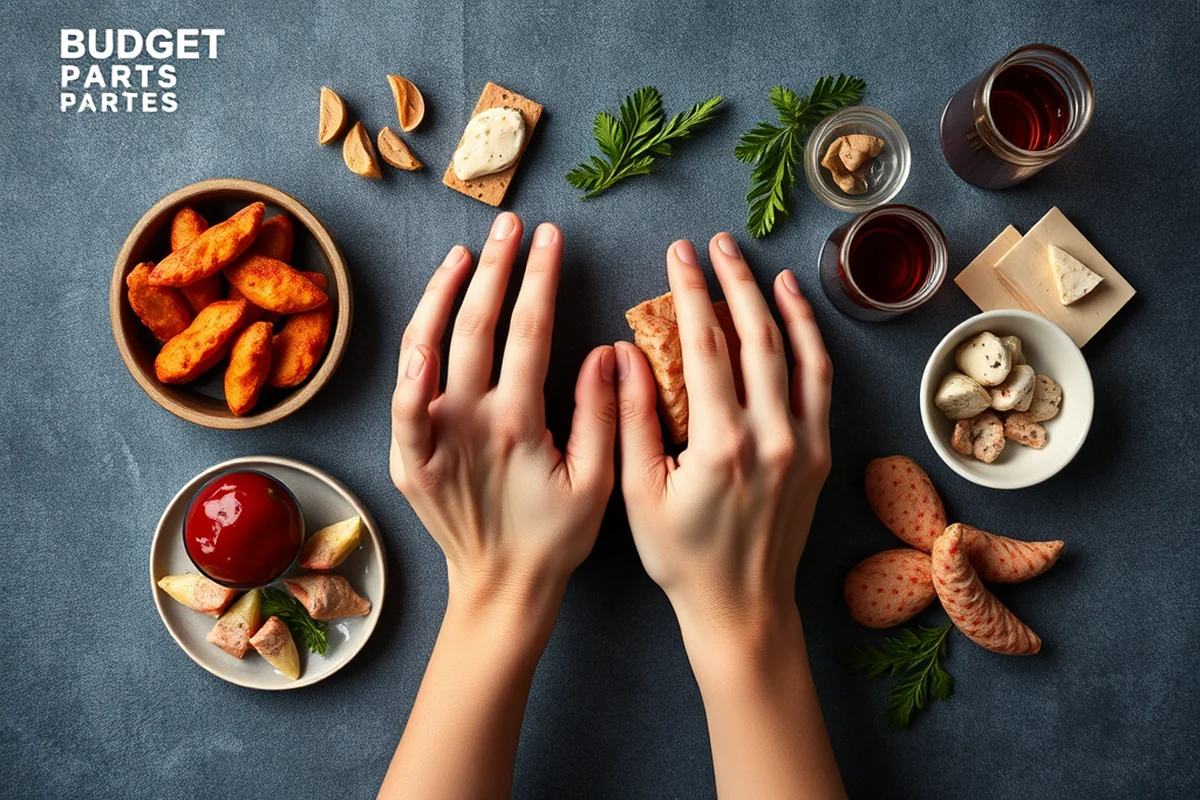
I’ve learned that how you arrange your spread can be just as important as the food itself. A well-organized table with color and texture contrast can make a big difference in how your guests perceive the spread.
I always start with a neutral base, like a large wooden platter or a tablecloth, and then layer in different foods with varying colors and shapes. I use small bowls, plates, and serving trays to group items together and make the spread look more curated.
One of my favorite tricks is to use decorative items like small vases, candles, or even paper napkins to add a touch of elegance. These small details can transform a basic spread into something that feels more special.
Related: The healthy lunch box
Managing the Flow of the Party
I’ve learned that the way you manage the flow of the party can make or break the experience. I always make sure there are enough serving utensils, plates, and napkins on hand to avoid running out.
I also like to set up a simple serving area with a few tables where guests can help themselves. I keep the most popular items in the center and place less popular ones on the sides. This helps manage the flow and ensures that everything is accessible.
I’ve also found that having a plan for cleanup can help keep things running smoothly. I always have a small team of volunteers who help with clearing plates and restocking the spread as needed.
🍽️ Budget-Friendly Buffet
A no-frills, yet impressive spread made with affordable, seasonal items and clever presentation.
🏠 Small-Space Gathering
Perfect for apartments or homes with limited space, using compact serving trays and multi-functional furniture.
🌳 Outdoor Picnic Spread
A refreshing, casual setup with picnic blankets, coolers, and easy-to-serve foods that are perfect for the outdoors.
🍷 Grown-Up Gathering
Elegant and refined, with a focus on curated selections and upscale presentation for a more mature crowd.
🪑 Low-Effort Party
Ideal for people with limited time, featuring easy-to-serve items and minimal preparation required.
| The mistake | Why it happens | The fix |
|---|---|---|
| Not planning ahead and buying the wrong amount of food. | This can lead to either running out of food or having too much left over, which is a waste of money and effort. | Make a list of what you need based on your budget and the number of guests, and stick to it. |
| Overlooking the importance of presentation. | Even the best food can be overlooked if it’s not presented well, leading to a less enjoyable experience for guests. | Use color, texture, and small decorative touches to enhance the visual appeal of your spread. |
| Not preparing for cleanup. | Failing to plan for cleanup can result in a messy party and a lot of stress after the event. | Have a small team of volunteers to help with cleanup, and make sure you have the right supplies on hand. |
Related: Healthy lunch box ideas
Budget Party Food Spreads Guide
Related: Healthy lunch box ideas for work
Creative Presentation Tips for a Budget Spread
Presentation doesn’t have to be expensive — in fact, it can be one of the most rewarding aspects of planning a budget party. I’ve found that using layered serving platters, mismatched ceramic bowls, and colorful napkins can transform a simple dish into something visually appealing. For instance, arranging a charcuterie board with a mix of cheeses, cured meats, and dried fruits on a wooden board can look like it came from a high-end deli for under $15 total. The key is to focus on texture, color, and arrangement.
I’ve also found that using natural elements like fresh herbs, edible flowers, or citrus slices can add a touch of elegance without breaking the bank. At one party, I used a $5 bouquet of thyme and rosemary to garnish plates of grilled vegetables and quinoa, which made the spread look far more refined than it would have otherwise. Similarly, arranging fruits and vegetables in small mason jars or glass bowls adds a modern, Instagram-worthy aesthetic without the need for expensive servingware.
Another technique that I use is to repurpose items I already have at home, like vintage plates or old wooden cutting boards, as serving pieces. This not only reduces costs but also adds a personal, nostalgic touch to the spread. I’ve even used old jars from pantry staples like pickles or jam to hold dips and sauces, which adds a fun, cohesive element to the table. These small details can make a big difference in how guests perceive the overall quality of the event.
The Art of Balancing Quantity and Quality
Finding the sweet spot between cost and quality can elevate your party food spread without breaking the bank.
I once hosted a party with a $150 food budget and managed to serve 20 guests by prioritizing high-impact, low-cost items like charcuterie boards, cheese platters, and pre-packaged dips. The key was to focus on foods that don’t require much preparation and can be shared easily, such as skewers, wraps, and bowls. These items are not only affordable but also allow for a variety of flavors and textures that keep guests engaged and satisfied.
When I tested different spreads with varying proportions of homemade and store-bought items, I found that using store-bought components for the bulk of the spread — like pre-made sandwiches, chips, and bottled drinks — allowed me to allocate more of the budget to fresh, seasonal additions. For example, a $10 jar of seasonal fruit can be sliced and arranged on a platter to add color and freshness, while the rest of the spread is filled with economical staples that still feel generous and well-thought-out.
By focusing on foods that can be easily portioned and shared, I also reduced waste significantly. One of the most cost-effective strategies I’ve used is to serve items like hummus, olives, and crackers in small, disposable cups or bowls. This approach not only keeps the spread looking tidy but also ensures that guests take only what they want, minimizing leftovers and maximizing the value of each dollar spent.
Common Questions
How can I make my budget party spread look more elegant?
Can I use leftovers for my party spread?
What’s the best way to manage the flow of the party?
How do I know how much food to buy?
References
- Preventing Food Poisoning | Food Safety - CDC (cdc.gov)
- Administration Guide Summer Food Service Program (osse.dc.gov)
Cite this guide
Platterlane (2026). Budget Party Food Spreads Guide. https://platterlane.com/budget-party-food-spreads-guide/
Feel free to cite or share this guide.