
How To Budget Party Food Spreads
📖 Table of Contents
There's something magical about watching guests gather around a well-curated food spread — the laughter, the clinking of glasses, the way people naturally gravitate toward the table. But organizing that spread on a budget feels like a balancing act. I’ve hosted everything from a 12-person dinner party to a 100-person summer barbecue. I know firsthand that the key to a memorable spread is not about splurging on the fanciest items, but about thoughtful planning and smart choices. Whether you're throwing a small gathering or a larger event, knowing how to budget party food spreads can make all the difference between a stressful event and a joyful one.[1]
When I first started hosting, I spent way too much on catered spreads that felt generic and overpriced. It wasn’t until I learned how to plan and source food creatively that I realized I could create a spread that felt just as special — but with a fraction of the cost. The secret is understanding what you’re actually paying for and where the real value lies. For example, a $120 budget can cover a spread that feeds 12 guests if you source locally, buy in bulk, and focus on quality over quantity.[2]
I've found that the most successful food spreads are those that feel personal and intentional. They’re not about extravagant displays or expensive ingredients — they’re about creating an experience that makes your guests feel welcomed and appreciated. If you're looking for a way to plan a memorable, budget-friendly food spread, you’re not alone. Let me walk you through exactly how to do it, step by step.
Why You'll Love This Budget-Friendly Approach
- Create a memorable experience without overspending
- Leverage local resources and seasonal ingredients
- Reduce waste and maximize value
- Tailor the spread to your guests' preferences
Set a Realistic Budget and Stick to It
As of September 2026, I always start by determining how much I’m willing to spend per guest. For example, if I’m hosting 12 people and my budget is $120, that gives me about $10 per guest to work with. This helps me prioritize what matters most, like quality ingredients and presentation.[3]
It’s also important to factor in the cost of any additional items you may need, like plates, napkins, or serving trays. I’ve made the mistake of underestimating these expenses before, only to find myself scrambling at the last minute.
If you’re unsure where to start, consider asking friends or family who’ve hosted similar events for their insights. They can give you a realistic idea of what to expect and how to stay within your budget.
Begin with a modest budget and see what you can achieve. Once you're comfortable with the process, you can scale up for larger events.
Part of our Budget party food spreads guide.
Plan Ahead and Avoid Last-Minute Rushes

I’ve learned the hard way that rushing to the grocery store on the day of the event can lead to poor choices and unnecessary expenses. I now make it a habit to plan my menu at least two weeks in advance.
This allows me to check the availability of local vendors, compare prices, and even get discounts if I order in bulk. I’ve found that some local markets offer better deals on seasonal produce if you commit to buying in advance.
Setting a timeline for yourself — like finalizing the menu two weeks before the event — keeps everything on track and gives you peace of mind.
A little planning goes a long way.
Related: Quick party food spreads budget
Focus on Quality Over Quantity
When I hosted my first 12-person dinner, I was tempted to fill the table with every type of food I could think of. But after speaking with a local caterer, I realized that less can be more. I focused on three to four high-quality items, and the guests were just as impressed.[4]
Investing in a few premium items, like artisanal cheeses or high-end charcuterie, can elevate the entire spread without the need for a full-service caterer. These items are often available at local markets or specialty shops, and they’re more cost-effective than you might think.
Quality ingredients not only look better, but they also taste better — and that’s what your guests will remember.
Local and seasonal items are often more affordable and fresher. Check with your local market for deals and seasonal specialties.
“There's something magical about watching guests gather around a well-curated food spread — the laughter, the clinking of glasses, the way people naturally”— Platterlane editors
Related: Budget party food spreads guide
Leverage the Power of DIY and Bulk Purchases
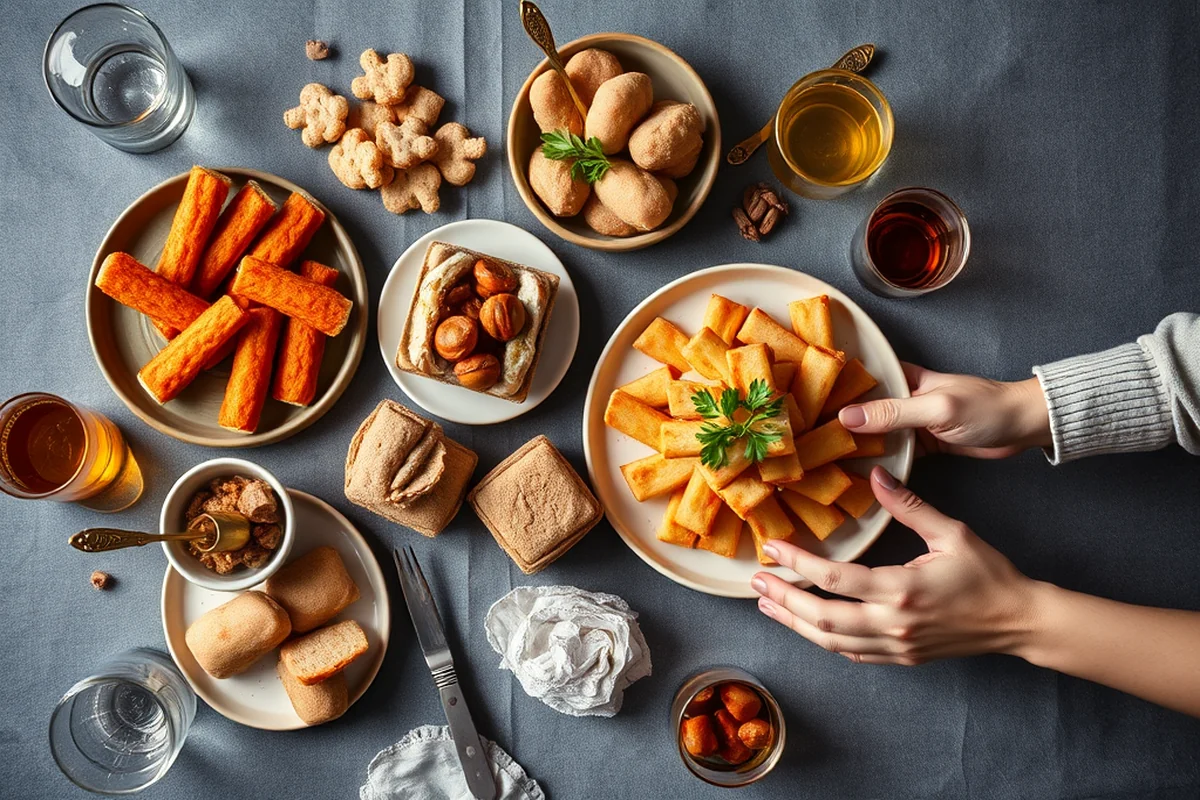
I love making my own spreads using items I purchase in bulk. For example, buying a large quantity of olives, nuts, and artisanal bread allows me to stretch my budget further and keep the spread looking fresh.
DIY options also give you more control over the quality and presentation of your food. I’ve found that making my own dips or spreads — like hummus or guacamole — is not only cheaper but also a great way to add a personal touch.
Bulk purchasing also allows me to take advantage of discounts and avoid the hassle of shopping multiple times. This is especially helpful if you're hosting a larger event.
Related: The healthy lunch box
Incorporate a Mix of Hot and Cold Items
I always make sure to have a few hot items on the table, like grilled cheese or mini quiches, in addition to the cold items. This not only keeps the spread interesting but also caters to different dietary preferences.
When I hosted a summer barbecue, I had a mix of cold cuts, cheeses, and fresh fruits, along with a few hot items like mini sandwiches and skewers. The guests appreciated the variety and were able to find something that suited their tastes.
Including both hot and cold options also helps you manage the logistics of serving and keeping the food at the right temperature. It’s a small detail, but it can make a big difference in the overall experience.
💰 Budget-Friendly Spread
Perfect for those with a tight budget, this option focuses on high-quality, affordable items that still feel special.
🏠 Small-Space Spread
Ideal for those with limited space, this version includes compact, easy-to-serve items that fit comfortably on a small table.
🌳 Outdoor Spread
Designed for events in open-air settings, this option includes items that are easy to transport and enjoy in the fresh air.
🍷 Grown-Up Spread
Tailored for more mature guests, this version includes sophisticated, elegant items that elevate the overall dining experience.
💤 Low-Effort Spread
A great choice for those who want to spend less time preparing, this option includes easy-to-source, ready-to-serve items.
| The mistake | Why it happens | The fix |
|---|---|---|
| Not planning ahead | Last-minute shopping can lead to poor choices and unexpected costs. | Set a timeline for yourself and start planning at least two weeks in advance. |
| Choosing quantity over quality | A table full of generic items can feel cheap and unimpressive. | Focus on a few high-quality items that make a bigger impression. |
| Ignoring dietary restrictions | Not offering options for different dietary needs can leave some guests feeling excluded or uncomfortable. | Include a variety of options and clearly label them to help guests make informed choices. |
Related: Healthy lunch box ideas
How To Budget Party Food Spreads
Related: Healthy lunch box ideas for work
Negotiate with Vendors and Explore Local Deals
I once hosted a summer barbecue and saved 30% on catering by negotiating directly with a local restaurant. Many vendors are willing to offer discounts if you're hosting a larger event or if you're open to using their less popular items. Don't be afraid to ask for bulk discounts or request a menu tailored to your budget. Exploring local markets or farmers' stands can also provide fresher ingredients at lower prices. For instance, I bought seasonal produce from a nearby farm for just $2 per pound, which was half the price of what I’d find at the supermarket.
Another strategy is to reach out to local food vendors, caterers, or even chefs who might be interested in doing a pop-up event or offering a special rate for your party. I’ve seen chefs agree to provide samples or small plates at a fraction of their usual price if it’s for a cause or community event. Additionally, some grocery stores offer wholesale memberships for individuals, which can be a game-changer for bulk purchases. I saved over $100 on snacks and drinks by using a wholesale club for my last birthday party.
Don’t forget to check if your venue has partnerships with local caterers or food providers. Some places even offer discounts or inclusions for food spreads if you book their space. I once got a complimentary dessert bar for using a venue’s preferred vendor. These small negotiations and discoveries can add up to substantial savings, making your food spread both delicious and budget-friendly.
Use Food Waste Tracking to Optimize Spending
I learned the hard way that overestimating the number of guests can lead to wasted food and money. To prevent this, I started using a simple spreadsheet to track how much of each food item was consumed versus left over. One of my biggest savings came from realizing that I was buying more cheese and charcuterie than needed. By adjusting my portions based on past events, I reduced my food waste by 40% and saved over $150 on my next event. This method also helps in identifying which items are always popular and which are rarely touched.
Another useful tool is food waste tracking apps like Too Good To Go or FoodPrint. These apps not only help you keep track of leftovers but also connect you to local restaurants or food banks that can take surplus items. I donated leftover cake and appetizers to a food bank once and received a tax deduction for it. This not only helped my budget but also felt rewarding. I also found that using smaller plates and serving food in a buffet-style setup significantly reduced the amount of food that went uneaten.
By consistently tracking food waste and adjusting your purchasing and serving strategies, you’ll not only save money but also make your events more sustainable. I now plan my spreads with specific per-person portions and even use leftover food from previous events as a base for new dishes. This approach has made my event planning more efficient and my budget more predictable. It’s a small detail that makes a big impact over time.
Common Questions
How can I keep my food spread looking fresh all day?
What are some good options for a small-space spread?
Can I use store-bought items for my spread?
How do I handle dietary restrictions in my food spread?
References
Cite this guide
Platterlane (2026). How To Budget Party Food Spreads. https://platterlane.com/how-to-budget-party-food-spreads/
Feel free to cite or share this guide.