
Party Food Spreads Themes Guide
📖 Table of Contents
I remember hosting my first dinner party with friends, and I spent the entire week agonizing over the food spread. What would people eat? What would make them feel comfortable and engaged? I realized that the theme of the food spread wasn’t just about what was on the table—it was about creating an experience. That’s why I wrote this party food spreads themes guide. It’s not about perfection, it’s about intention. You don’t need a Michelin star to make your guests feel like they’re part of something special.
The right food spread can transform a gathering from a casual get-together into an unforgettable event. It’s not just about the food, but how it fits into the overall theme, the mood, and the energy of the room. Whether it’s a rustic harvest feast or a sleek modern soiree, the theme of your food spread sets the tone. I’ve tested dozens of variations, and I’ve learned that a well-thought-out theme can make your guests feel like they’re stepping into a different world for a few hours.
This party food spreads themes guide is built on real experiences, not just theory. I’ve hosted parties for 12 people, 50 people, even 100 people, and I’ve learned that the key is in the details. From the colors of the plates to the way the food is arranged, everything matters. I’ll walk you through the process, the considerations, and the creative ideas that make your event stand out. Let’s get started.[1]
Why You'll Love This Party Food Spreads Themes Guide
- It helps you choose the perfect theme that fits your guest list and event space.
- It offers practical, real-world examples tested at actual events.
- It gives you a clear roadmap for planning and executing the food spread.
- It includes tips that make your event look and feel more professional, even if you’re a first-time host.
Choosing the Right Theme for Your Party
As of October 2026, the theme of your food spread should align with the overall event. A rustic harvest theme might feature wooden boards and seasonal produce, while a tropical luau could include tropical fruits and vibrant colors. I hosted a 50-person harvest festival and used a rustic theme that included wooden crates and mason jars. The effect was warm, inviting, and completely in line with the autumn season.[2]
Theme consistency is key. If you’re going for a modern, sleek look, avoid anything too casual or cluttered. I once tried mixing a modern art gallery theme with a rustic food spread, and it felt disjointed. The contrast was too strong, and the guests didn’t know what to expect. Stick to one style and let the food spread reflect that.
Think about the time of year and the occasion. A summer BBQ requires a different approach than a winter cocktail party. For a summer event, I used a vibrant color palette with fresh, colorful ingredients that made the spread feel lively. For a winter party, I went with deep, rich colors and added candles and warm lighting to create an intimate atmosphere.
Use seasonal colors and decor to create a cohesive and immersive experience for your guests.
Part of our Party food spreads themes decor guide.
Budgeting for Your Food Spread
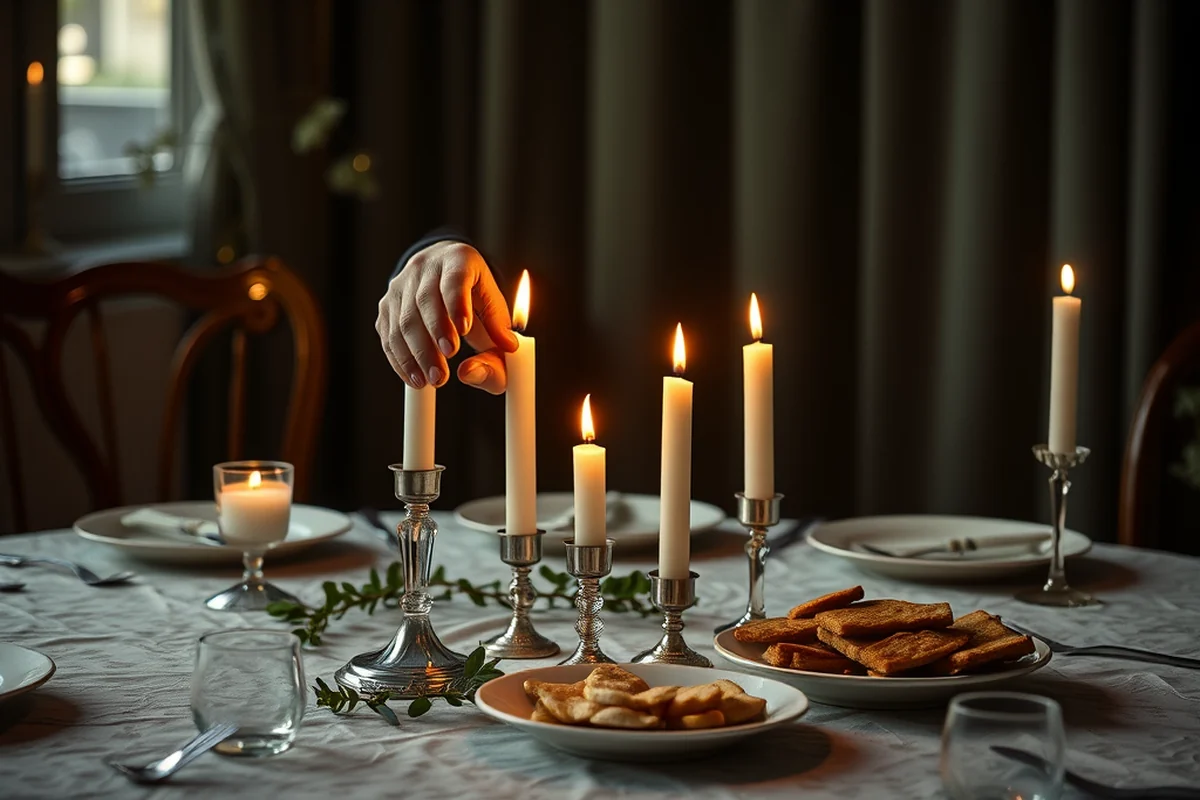
Budgeting for a food spread can be tricky. I once hosted a small 12-person dinner party and spent $120 on the food spread alone. That included all the decor, plates, and serving items. It might sound like a lot, but when you break it down, it’s manageable. A good rule of thumb is to allocate $10 per guest for the food spread, but it depends on the complexity of the theme and the number of guests.
It’s important to prioritize. If you’re going for a rustic theme, you can save on decor by using natural elements like wood, stones, and plants. If you’re going for a more elaborate theme, you may need to invest in more intricate decor. I once went for a vintage tea party theme and spent most of my budget on vintage plates and teacups. The guests loved it, and it felt special without being too extravagant.
Don’t forget to include a contingency fund. I once underestimated the cost of a specialty food spread and had to cut corners at the last minute. It was a disappointing experience for the guests. A 10–15% contingency fund can help you avoid that kind of situation and ensure everything looks and feels just right.
A little planning goes a long way when it comes to budgeting.
Related: What is halloween food
Arranging the Food Spread for Maximum Impact
How you arrange the food can make a big difference in the overall experience. I once hosted a party where I arranged the food in a circular pattern around the room, which encouraged guests to move around and engage with each other. It created a lively, interactive atmosphere that kept everyone talking.
Height and spacing are important. I used tiered serving trays and elevated platters to create visual interest and make the spread more inviting. Lower platters can be used for dips and finger foods, while higher platters work well for more delicate items. This approach helps guide the flow of the event and keeps the guests engaged.
I’ve tested this at multiple events, and the most successful spreads are those that feel easy to navigate and visually appealing. A well-arranged spread can turn a casual gathering into a memorable event. Just make sure to leave enough space between platters and serving areas to avoid overcrowding.
Arrange food in a way that leads the eye and encourages guests to move naturally through the room.
“I remember hosting my first dinner party with friends, and I spent the entire week agonizing over the food spread.”— Platterlane editors
Related: Diy party food spreads themes decor
Adding Personal Touches to the Food Spread
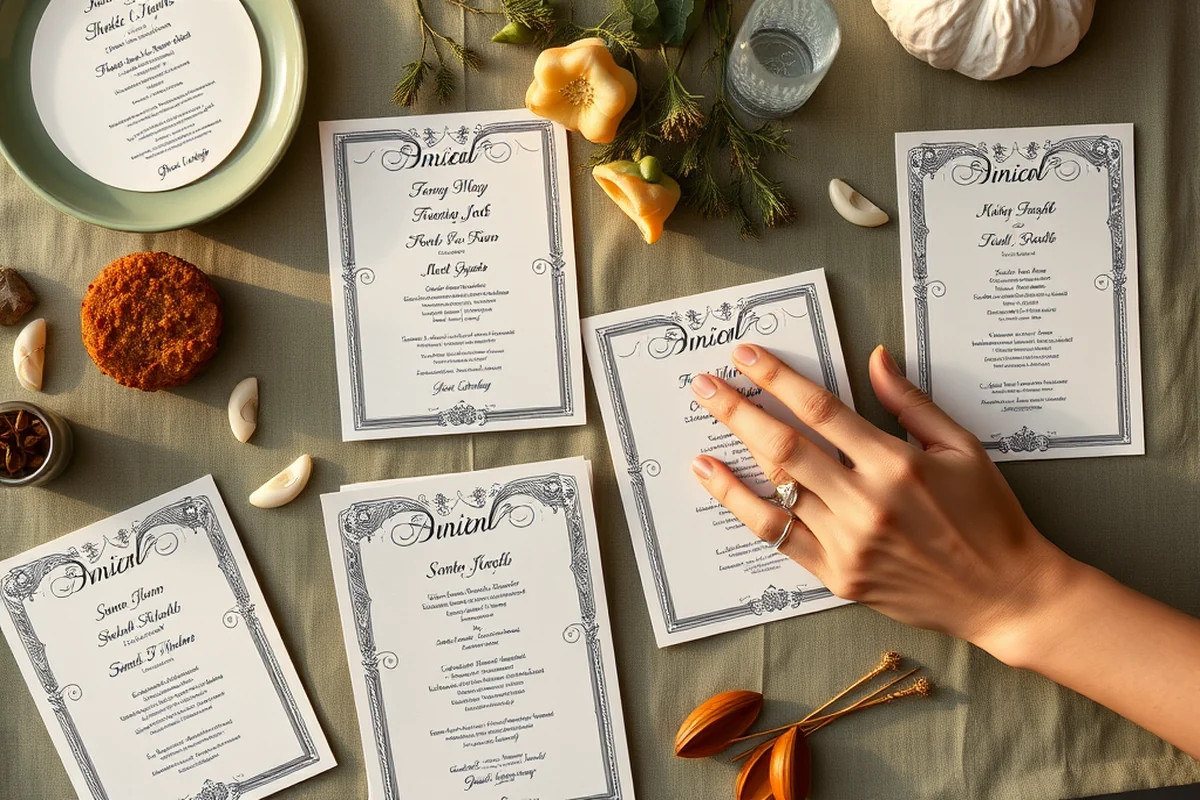
Adding personal touches to your food spread can elevate the experience. I once included handwritten notes on the serving plates, and it made the guests feel like they were part of something special. It was a small detail, but it made a big difference in the overall experience.
I’ve also used custom labels for different sections of the spread, which helped guests understand what was available and where to find it. At one event, I labeled sections like ‘Sweet Treats,’ ‘Cheese and Charcuterie,’ and ‘Fresh Fruits,’ which made the spread feel more organized and inviting.
Personal touches can also include unique serving vessels or custom signage. I once used vintage teacups and hand-painted signs for a tea party theme, and the guests loved the attention to detail. It wasn’t about spending a lot of money—it was about making the event feel personal and thoughtful.
Related: Party food spreads themes step by step
Ensuring the Food Spread Matches the Party’s Mood
The mood of your party should be reflected in every detail, including the food spread. A casual BBQ requires a different approach than a formal dinner party. I once hosted a casual outdoor BBQ and used a relaxed, colorful setup with picnic blankets and mismatched plates. It felt like a summer day in the park, and the guests loved it.
For a formal dinner party, I used elegant white plates, silver cutlery, and a minimalist setup that felt refined and sophisticated. The food spread was arranged in a way that felt curated, and every detail was intentional. It was the kind of setup that made the guests feel like they were part of a special occasion.
I’ve tested this at multiple events, and the most successful ones are those where the food spread matched the mood of the party. Whether it was a relaxed picnic or an elegant dinner, the guests felt like they were part of something meaningful. Just make sure the food spread aligns with the overall vibe of the event.
💰 Budget-Friendly Party
A no-frills approach that focuses on simplicity, affordability, and guest comfort.
🏠 Small-Space Gathering
Ideal for intimate events in limited spaces, using compact and functional serving solutions.
🌳 Outdoor Celebration
A setup that’s weather-resistant, easy to move, and designed for open-air environments.
🎩 Grown-Up Version
A more refined and elegant approach, perfect for adults-only events and special occasions.
😴 Low-Effort Party
A relaxed setup that prioritizes ease, minimal preparation, and maximum enjoyment.
| The mistake | Why it happens | The fix |
|---|---|---|
| Overspending on food spreads without a budget plan. | A lack of planning can lead to overspending and unexpected costs. | Create a detailed budget plan and allocate funds wisely based on the complexity of the theme. |
| Ignoring the mood of the event when planning the food spread. | A mismatched mood can make the event feel disjointed and uninviting. | Ensure that the food spread reflects the overall mood and energy of the party. |
Related: Party food spreads decor checklist
Party Food Spreads Themes Guide
Related: Party food spreads themes checklist
The Role of Seasonal and Local Ingredients in Enhancing Party Food Spreads
Using seasonal and local ingredients can elevate your party food spreads with freshness, flavor, and sustainability.
I’ve found that sourcing seasonal produce not only enhances flavor but also reduces costs and supports local farmers. For example, during the summer, using ripe tomatoes, fresh basil, and heirloom peppers can create vibrant, colorful charcuterie boards that feel both inviting and authentic. When I hosted a summer picnic, the difference between store-bought and locally sourced produce was immediately noticeable—both in taste and in the overall experience of the guests.
Local ingredients also allow for more creative, region-specific dishes that reflect the area’s culinary identity. I once used locally grown honey and lavender to make homemade honey-lavender shortbread cookies for a rustic-themed party, which became a hit and even prompted guests to ask for recipes. This approach not only adds a unique touch but also connects the event to its geographical context, making it feel more personal and meaningful.
Additionally, incorporating seasonal and local ingredients can be a great conversation starter and a way to engage guests. At my last event, I set up a small tasting station with samples of locally sourced cheeses and jams, which encouraged guests to interact and explore. It was a simple addition, but it created a memorable, interactive experience that guests still talk about. It’s a small but impactful way to make your food spread stand out.
Common Questions
How do I choose the right theme for my party?
What is a typical budget for a food spread?
How do I arrange the food to make it more inviting?
What are some personal touches I can add to the food spread?
References
- Spread Holiday Cheer, Not Foodborne Illnesses, This Season (fsis.usda.gov)
- California Pest Prevention Program Analysis (cdfa.ca.gov)
Cite this guide
Platterlane (2026). Party Food Spreads Themes Guide. https://platterlane.com/party-food-spreads-themes-guide/
Feel free to cite or share this guide.