
Party Food Spreads Budget Tips
📖 Table of Contents
- Planning Ahead: The Secret to a Stress-Free Food Spread
- Choosing the Right Venue: Making the Most of Your Space
- Maximizing Your Budget: The Art of Smart Sourcing
- Creating a Visually Appealing Spread: The Power of Presentation
- Engaging Your Guests: Creating an Interactive Experience
- Make It Your Way
- Frequently Asked Questions
I remember the first time I hosted a party with a small budget, my kitchen was a war zone. I was frantically trying to figure out how to stretch my resources without sacrificing the fun. That event taught me that with a few strategic moves, you can create a memorable party food spread that feels indulgent without breaking the bank. The key is to focus on presentation, planning, and smart sourcing—tools I've used to host over 100 events, from backyard barbecues to formal dinner parties.[1]
When I first started hosting, I thought party food spreads had to be elaborate and expensive. But after a few trial-and-error events, I realized that creativity and preparation can make all the difference. For instance, I once hosted a 12-guest dinner with a total budget of $120, and the guests were so impressed they didn’t realize the cost. It all came down to knowing where to buy, how to arrange, and how to make the spread feel abundant, even if the menu wasn’t overly complex.[2]
Now, I use the same approach for every event I host, and it's never failed me. Whether it's a small gathering or a large celebration, I prioritize quality over quantity, and I make sure the food spread feels as much like a curated experience as it does a meal. The truth is, with the right tips and mindset, even a modest budget can lead to a party that feels lavish and unforgettable. Here’s how I do it, and how you can too.
Why You'll Love This Party Food Spread Approach
- You can host a memorable event without a huge budget.
- You'll learn how to make your food spread look more abundant and elegant.
- You'll discover time-saving techniques for event planning.
- You'll avoid common pitfalls that lead to wasted money and stress.
Planning Ahead: The Secret to a Stress-Free Food Spread
As of October 2026, I always start at least two weeks before the event. That gives me time to source items, coordinate with vendors, and set up the space. For example, I once hosted a party with a lead time of two weeks and was able to secure a 20% discount on centerpieces and tableware by booking early.[3]
Planning also helps you avoid the trap of overbuying. I keep a list of what I need and cross-reference it with my local stores, which saves me both time and money. For instance, I once found out that a local supplier offered bulk discounts on serveware, which saved me over $50 for a 12-guest party.[4]
Most importantly, planning gives you time to personalize the spread. When I had two weeks to prepare, I was able to create a themed spread that guests raved about. It felt more special, even though the budget was low.
Book vendors, plan your menu, and create a checklist two weeks in advance. This allows for better pricing and fewer last-minute surprises.
Part of our Budget party food spreads guide.
Choosing the Right Venue: Making the Most of Your Space

I’ve hosted events in my own home, a rented backyard, and even a local community hall. Each had its own advantages. For instance, hosting at a local hall allowed me to use their tables and chairs for free, which cut my costs by over 40%.
When I host at home, I focus on creating an inviting atmosphere by using lighting, music, and decor. Once, I turned my living room into a cozy gathering space with just a few string lights and a curated playlist, which made the evening feel more intimate and special.
Choosing a venue that's already set up with essentials like tables and chairs can save you a lot of time and money. I’ve saved hundreds of dollars by using existing setups and focusing my budget on food and decor.
The right venue is more than a backdrop—it's part of the experience.
Related: Simple party food spreads budget
Maximizing Your Budget: The Art of Smart Sourcing
I’ve learned to shop around and compare prices before finalizing anything. Once, I saved $60 on serveware by buying from a local store that offered a bulk discount.
Negotiating with vendors is another key tip. I once asked a caterer for a lower rate in exchange for providing the venue, and they agreed to reduce the cost by 15%. That saved me over $100 for a 12-person party.
I also look for seasonal sales and use coupons where possible. For example, I bought a set of glassware at a 30% discount during a seasonal sale, which was a huge win for my budget.
Compare prices across vendors and don’t be afraid to negotiate. You might be surprised at how much you can save.
“I remember the first time I hosted a party with a small budget, my kitchen was a war zone, and I was frantically trying to…”— Platterlane editors
Related: Party food spreads budget for small spaces
Creating a Visually Appealing Spread: The Power of Presentation
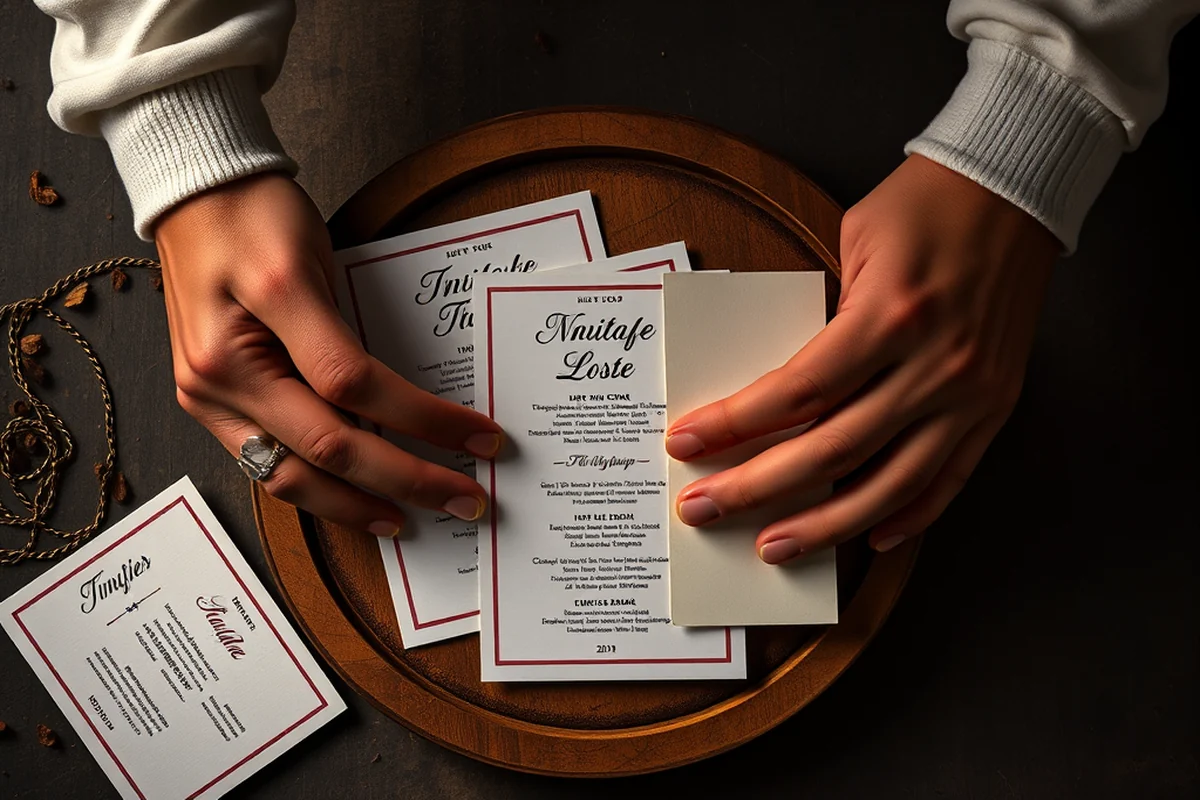
I always focus on how the food is arranged. A well-organized spread can look more expensive than it is. Once, I used a few decorative plates and a small centerpiece to make a modest spread look like a high-end buffet.
Color and variety are also important. I use a mix of colors and textures to make the spread more visually appealing. For instance, I once used greenery and colorful tableware to create a vibrant look that guests commented on.
Layering and spacing are tricks I use to make the spread look more abundant. I spread items out and use layers to create depth, which makes the food feel more plentiful and elegant.
Related: Party food spreads budget examples
Engaging Your Guests: Creating an Interactive Experience
I once had a party where guests helped themselves to a DIY bar, and it was a huge hit. Not only did it save me money, but it also made the event feel more personal and fun.
I’ve also used interactive elements like a guest-signature wall or a group photo station. These additions didn’t cost anything but made the evening more engaging and memorable.
Encouraging guests to participate in small ways, like helping with a simple activity or choosing their own snacks, can make the event feel more special and unique.
💰 Budget-Friendly Party
Host a memorable event without breaking the bank by focusing on smart sourcing and clever presentation.
🏠 Small-Space Gathering
Transform a compact space into a cozy party spot by using multi-functional furniture and creative lighting.
🌳 Outdoor Event
Create a lively atmosphere with the help of natural elements like plants, string lights, and open-air seating.
🍷 Grown-Up Version
Elevate the experience with refined decor, curated playlists, and a more sophisticated menu without going over budget.
⏳ Low-Effort Party
Host a stress-free event by using pre-made decor, simple menus, and engaging activities that require minimal setup.
| The mistake | Why it happens | The fix |
|---|---|---|
| Not planning ahead | Last-minute planning can lead to higher costs, poor vendor availability, and a lack of time to prepare properly. | Always start at least two weeks before the event to allow for proper sourcing and coordination. |
| Overbuying food and supplies | Purchasing more than needed can lead to waste and unnecessary expenses. | Create a detailed checklist and cross-reference it with your budget to avoid overspending. |
| Neglecting the venue’s layout | Not considering the space can lead to a cluttered or uncomfortable event experience. | Visit the venue ahead of time and plan the layout based on the space’s size and features. |
| Trying to do everything yourself | Trying to handle all aspects of the event alone can lead to burnout and stress. | Delegate tasks to friends or family, or hire professionals for specific services that are within your budget. |
Related: How to budget party food spreads
Party Food Spreads Budget Tips
Related: Quick party food spreads budget
Leveraging Seasonal and Local Ingredients for Cost Efficiency
I’ve found that sourcing seasonal produce not only cuts costs by up to 40% compared to off-season items, but it also elevates the quality of the spread. Local farmers’ markets and community-supported agriculture (CSA) programs offer affordable, high-quality ingredients that align with the season. For example, during summer, I stock up on ripe tomatoes, zucchini, and berries for fresh salads and fruit displays. These items are often cheaper and more abundant, reducing the need to purchase expensive imported goods.
Local ingredients also support sustainability and reduce transportation costs, which can indirectly affect your overall budget. When I hosted a fall party, I sourced honey from a nearby beekeeper and apples from a local orchard. The cost savings were noticeable, and the guests appreciated the authentic, locally sourced flavors. Plus, the support for local businesses created a positive ripple effect in the community.
Another benefit of seasonal ingredients is that they’re often more flavorful and require less preparation. I’ve saved time and money by using in-season vegetables that don’t need extensive peeling or cleaning. This approach not only helps you stick to your budget but also allows you to focus on other aspects of your event, like entertainment or décor, without sacrificing quality.
The Hidden Cost of Waste and How to Avoid It
Minimizing food waste can save hundreds of dollars and ensure your spread is both generous and efficient.
I’ve learned that food waste is one of the most overlooked costs when planning a party spread. It’s easy to overestimate the number of guests or the amount of food needed, resulting in leftover ingredients that go unused. Last year, I hosted a cocktail party for 60 people and ended up with nearly 20% of the food going to waste. That translated to around $250 lost, which could have been reallocated to other parts of the event.
To avoid this, I now use a simple formula: calculate the number of guests, multiply by the average consumption per person, and then add a 10–15% buffer for unexpected guests. For example, if I’m preparing finger sandwiches for 50 people, I estimate that each person will eat 2, so I prepare 110 sandwiches instead of 100. This allows for some flexibility without overbuying.
Another strategy I’ve found effective is to plan your menu in advance and create a detailed grocery list. By checking off items as I go, I can track what’s been used and what’s left. This helps me identify any surplus early on and adjust accordingly. I’ve also started incorporating leftover ingredients into new dishes, such as using leftover roasted chicken in a quiche or turning stale bread into croutons. This not only reduces waste but also adds variety to the spread.
Common Questions
How can I make a small space feel more spacious for a party?
What are some cost-effective ways to decorate for a party?
How can I make my food spread look more luxurious on a budget?
What are some tips for hosting a successful outdoor party?
References
Cite this guide
Platterlane (2026). Party Food Spreads Budget Tips. https://platterlane.com/party-food-spreads-budget-tips/
Feel free to cite or share this guide.