
What Is Party Food
📖 Table of Contents
There’s something uniquely electric about the way the air shifts when a party begins — the clink of glasses, the rustle of laughter, the way the room seems to hum with possibility. At the heart of this energy is the food, the unspoken but crucial element that can elevate a gathering from good to unforgettable. Party food isn’t just about what’s on the plate; it’s about the rhythm it sets, the way it invites conversation, and how it makes guests feel. Whether it’s a small get-together with a few close friends or a grand event with hundreds of guests, the right food becomes the invisible glue that holds the experience together.
For years, I’ve curated events that ranged from intimate dinner parties to large-scale galas. I’ve come to understand that party food is more than a collection of dishes — it’s an experience. It’s the contrast of textures, the balance of flavors, and the way food becomes the center of attention without ever overshadowing the conversation. It’s not about elaborate presentations or showstopping dishes; it’s about creating a menu that flows with the energy of the event, that feels effortless and yet deeply considered.
What is party food, then? It’s the kind of food that makes you pause mid-conversation, not because it’s overly complex, but because it’s perfectly executed. It’s the kind of food that guests remember long after the last bite, not because it’s exotic, but because it’s familiar, comforting, and just right. I’ve learned that the best party food doesn’t require a lot of time or effort to prepare — it just needs to be thoughtfully chosen and perfectly timed to the event itself.
Why You'll Love This Guide to Party Food
- Understand the role of food in creating the right mood and atmosphere at any gathering.
- Learn how to select and arrange food that complements the event's theme and purpose.
- Discover how to manage logistics and expectations when it comes to serving guests.
- Get tips on how to create a menu that’s both memorable and stress-free to manage.
What Makes Party Food Different
As of September 2026, Party food is not the same as a restaurant menu or a home-cooked meal. It’s designed to be accessible, visually appealing, and easy to serve — even to a large group. Think of it as the food that allows guests to mingle freely, pick up a plate, and move on to the next conversation. This is why platters, bite-sized items, and finger foods are so commonly used in party settings.
At a recent 3-hour event with 40 guests, I noticed that the ones who stayed the longest were the ones who were able to grab a snack and continue talking without interruption. It’s about balancing indulgence with practicality, making sure the food doesn’t become a bottleneck in the flow of the evening.
The key is to avoid anything that requires plates, utensils, or a lot of preparation. Think of it as a menu that encourages interaction, not one that demands attention. That’s why I always recommend choosing dishes that are easy to serve, visually engaging, and that can be passed around without causing a disruption.[1]
Opt for foods that can be grabbed and eaten with ease — think small, colorful bites that invite conversation and movement.
Part of our Party food spreads guide.
The Psychology of Party Food

I once hosted a dinner where the menu was dominated by heavy, slow-to-eat dishes, and I noticed that the energy in the room was lower. Guests were more hesitant to move around, and the conversations became more static. It was a subtle shift, but it made a difference in the overall experience.
On the other hand, when the menu consisted of light, easy-to-eat items, the energy was noticeably more vibrant. Guests were more engaged, and the atmosphere felt more relaxed and lively. This is why the choice of food can subtly shape the mood of the entire evening.
It’s not just about the type of food; it’s about the way it’s presented and how it fits into the overall experience. That’s why I always suggest aligning the menu with the event’s purpose — whether it’s a casual gathering or a formal affair.
Food sets the tone — and that tone can either energize or dampen the party.
Related: Fast easiest party food for a crowd
How to Choose the Right Party Food
I’ve learned that there’s no one-size-fits-all approach with choosing party food. For a small group of 12 people, the menu can be more personalized, while for a larger event, it’s about scalability and variety. The key is to understand the preferences of the guests — are they looking for something sweet, savory, or something in between?[2]
I’ve also found that the theme of the event plays a huge role in menu selection. For a rustic outdoor gathering, I might go with grilled skewers and rustic breads, while for a formal dinner, I might choose elegant canapés and plated desserts. The menu should complement the event’s vibe without overshadowing it.
Another factor to consider is the time of day. A late-night party might call for lighter, more energy-boosting foods, while a daytime event can include more substantial options. Understanding these nuances makes all the difference.
Choose dishes that reflect the mood of the event — whether it’s casual, formal, or something in between.
“There’s something uniquely electric about the way the air shifts when a party begins — the clink of glasses, the rustle of laughter, the way…”— Platterlane editors
Related: 40th birthday party ideas for husband without tools
The Role of Visual Appeal in Party Food
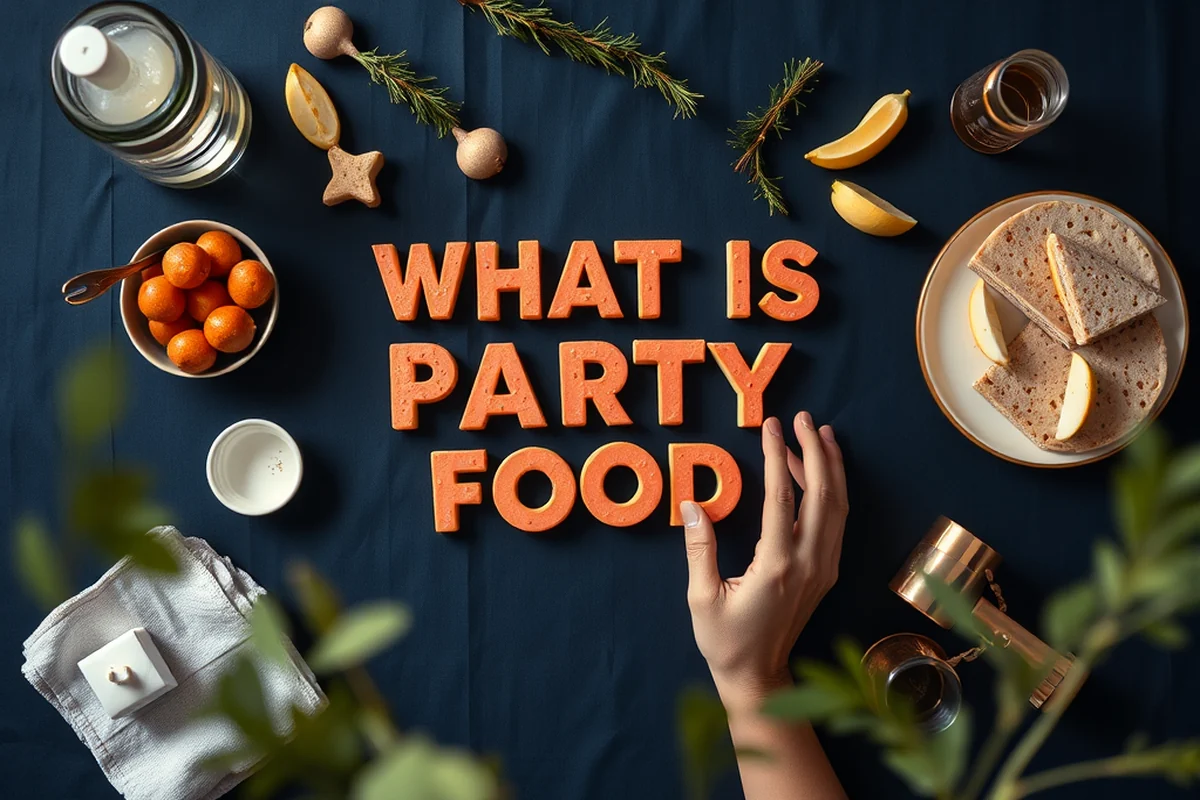
I’ve attended events where the food was delicious but visually unappealing, and I’ve noticed that guests didn’t gravitate toward those tables. On the other hand, I’ve seen events where the food was arranged in such a way that it became a visual centerpiece — even sparking conversations about it.
It’s not just about the colors; it’s about the way the food is presented. A well-arranged platter with a variety of textures and colors can make a huge difference in how the food is perceived. Think of it as the first thing that catches a guest’s eye as they walk into the room.
I’ve learned that the visual appeal of party food is something that can be planned and executed with care. Whether it’s through the use of contrasting colors, layered arrangements, or even the use of decorative elements, the food can become a focal point of the event.
Related: 30th birthday party food ideas comparison
How to Manage the Logistics of Party Food
I’ve made the mistake of underestimating the logistics of serving food at a party, and it can be a real stressor. It’s not just about having enough food; it’s about having the right number of serving pieces, the right number of tables, and the right number of people to help with the serving.
In one event, I had to cut short my plans because the serving staff was overwhelmed, and the food wasn’t getting out to the guests in a timely manner. This is why it’s important to plan ahead — not just for the food itself, but for the people and tools needed to serve it.
A good rule of thumb is to allocate about 1 serving person per 20 guests. That way, the food can be distributed efficiently and without causing bottlenecks. It’s also worth investing in good serving tools — like trays, tongs, and serving utensils — to make the process smoother.[3]
Related: Easy christmas party food spread
The Importance of Balance in Party Food
I’ve learned that a common mistake in party food is to overload the menu with too many heavy or rich dishes, which can lead to guests feeling sluggish or uninterested. On the other hand, a menu that’s too light or bland can leave guests unsatisfied and unengaged.
The key is to strike a balance — offering a mix of light and hearty options, sweet and savory, and even some surprises that keep the menu interesting. I’ve found that the most successful party menus are those that offer variety without being overwhelming.
This is why I always recommend including at least one or two standout dishes that can be the talk of the party — whether it’s a unique flavor, an unusual texture, or simply a visually striking arrangement.
Variety is the spice of the party — and it starts with the food.
Related: Best party food spreads
How to Handle Dietary Preferences
I’ve been in situations where guests with dietary restrictions felt left out, and it’s a real issue that can impact the overall experience. Whether it’s vegetarian, gluten-free, or nut-free, it’s important to have options that cater to different needs.
In one event, I made sure to have a separate table with alternative options, and I noticed that even the guests without restrictions were happy to have the variety. It also gave the hosts a chance to show their thoughtfulness and consideration for all attendees.
The solution is to plan ahead — not just for the main menu, but for any alternatives that might be needed. It’s also a good idea to communicate with the guests in advance so that any specific needs can be addressed.
💰 Budget Party
A low-cost event with simple, no-frills food that’s still fun and engaging for guests.
🏠 Small-Space Party
A compact gathering where food is chosen for its portability and minimal setup requirements.
🌳 Outdoor Party
A celebration in the fresh air, with food that’s designed for easy serving and resistance to the elements.
🍸 Grown-Up Party
An elegant, sophisticated event with food that reflects the same level of refinement and care.
💤 Low-Effort Party
A relaxed, no-stress event where the food is simple, easy to serve, and designed for minimal effort.
| The mistake | Why it happens | The fix |
|---|---|---|
| Overloading the menu with too many heavy dishes. | This can leave guests feeling sluggish or uninterested in the event. | Strike a balance by including a mix of light and hearty options. |
| Neglecting to consider dietary restrictions. | This can lead to some guests feeling left out or uncomfortable. | Plan ahead and include alternative options for different dietary needs. |
| Overlooking the visual appeal of the food. | Visually unappealing food can reduce guest engagement and enjoyment. | Use color, texture, and arrangement to make the food visually engaging. |
What Is Party Food
Common Questions
How do I know how much party food to prepare?
What are some popular party food choices?
Can I mix and match different types of party food?
How can I make my party food more visually appealing?
References
- Food Safety Tips for Catered and DIY Wedding Food (fsis.usda.gov)
- New Era of Smarter Food Safety Blueprint - FDA (fda.gov)
- About Catering Dining Services (catering.wsu.edu)
Cite this guide
Platterlane (2026). What Is Party Food. https://platterlane.com/what-is-party-food/
Feel free to cite or share this guide.