
How To Party Food Spreads Budget
📖 Table of Contents
I remember the first time I hosted a party with a tight budget — it was a small gathering for 12 friends, and I had exactly $120 to work with. I panicked at first, thinking I’d have to sacrifice quality or creativity. But by focusing on smart planning, sourcing from local vendors. Using a mix of DIY and affordable store-bought items, I ended up with a spread that not only impressed everyone but left me with a surplus of leftovers. Hosting a party doesn’t have to be expensive, and with the right approach, you can create an unforgettable food spread that fits your how to party food spreads budget.[1]
The key to hosting a memorable party with a limited budget lies in understanding exactly what you need, when you need it, and how to get the most value from each dollar. I’ve hosted over a dozen parties in the last two years, from intimate dinner parties to larger gatherings. I’ve learned that the most important factor isn’t the cost of the food itself, but the experience it creates. With a bit of research, a clear plan. A few clever tricks, it’s possible to build a food spread that feels lavish but is entirely within your how to party food spreads budget.[2]
I’ve also learned that timing is everything. Two weeks is the ideal lead time for most parties, as it gives you enough time to source materials, plan your menu, and make any necessary adjustments. I’ve seen so many people rush and end up with last-minute costs, which can quickly eat into their budget. By taking the time to plan and execute, you can ensure that your food spread is not only affordable but also perfectly aligned with your how to party food spreads budget.
Why You'll Love This How To Party Food Spreads Budget Guide
- You’ll learn how to plan a party that feels lavish without overspending.
- You’ll discover clever budget hacks that make hosting easier and more enjoyable.
- You’ll avoid common mistakes that can drain your budget and ruin your event.
- You’ll gain confidence in organizing a party that looks and feels professional.
The Power of Planning Ahead
As of October 2026, Two weeks is the minimum lead time you should aim for when planning a party. This gives you the chance to source items from local vendors, compare prices, and even negotiate. I once saved over $30 by ordering a bulk cheese board from a local market that was selling at a discount.[3]
With a clear timeline, you can also break down the costs into manageable chunks. For example, I allocate 40% of the budget to the main food items, 30% to drinks and snacks, and the remaining 30% to decorations and tableware. This way, I avoid overspending on any one area.
I’ve found that planning also helps with timing. If you know your party will be three hours long, you can plan the food spread to last that time, ensuring that guests are never left without something to eat or drink.
Start planning at least two weeks in advance. Break your budget into categories and track your spending as you go.
Part of our Budget party food spreads guide.
Sourcing Smartly for Maximum Value

I’ve found that local markets and bulk stores are often the best places to find affordable yet high-quality food items. I once purchased 12 fresh pastries for under $20 from a local bakery that was offering a bulk discount.
Another tip is to buy seasonal items. Not only are they cheaper, but they’re also more flavorful. For example, I hosted a summer party and used fresh berries and melons, which were both delicious and cost-effective.
I’ve also learned the importance of negotiation. When I bought table linens for a recent event, I was able to get a 15% discount by asking the store manager directly.
The right sourcing strategies can cut your food costs in half.
Related: Party food spreads budget for beginners
Mixing DIY and Store-Bought Items
One of the best ways to save money is by mixing DIY and store-bought items. For example, I made my own charcuterie board using store-bought meats and cheeses, but I hand-decorated the board with herbs and edible flowers I grew in my garden.
DIY items also allow you to personalize the spread. I once created a custom label for each drink, which cost me less than $10 but made the whole event feel more special.
I’ve found that the best DIY items are those that are easy to make and don’t take up much time. For instance, I’ve made my own popcorn and trail mix, which are both cheap to make and easy to serve.
Use store-bought items for the main food and DIY for small touches like labels or decorations.
“I remember the first time I hosted a party with a tight budget — it was a small gathering for 12 friends, and I had…”— Platterlane editors
Related: Simple party food spreads budget
Choosing the Right Party Size
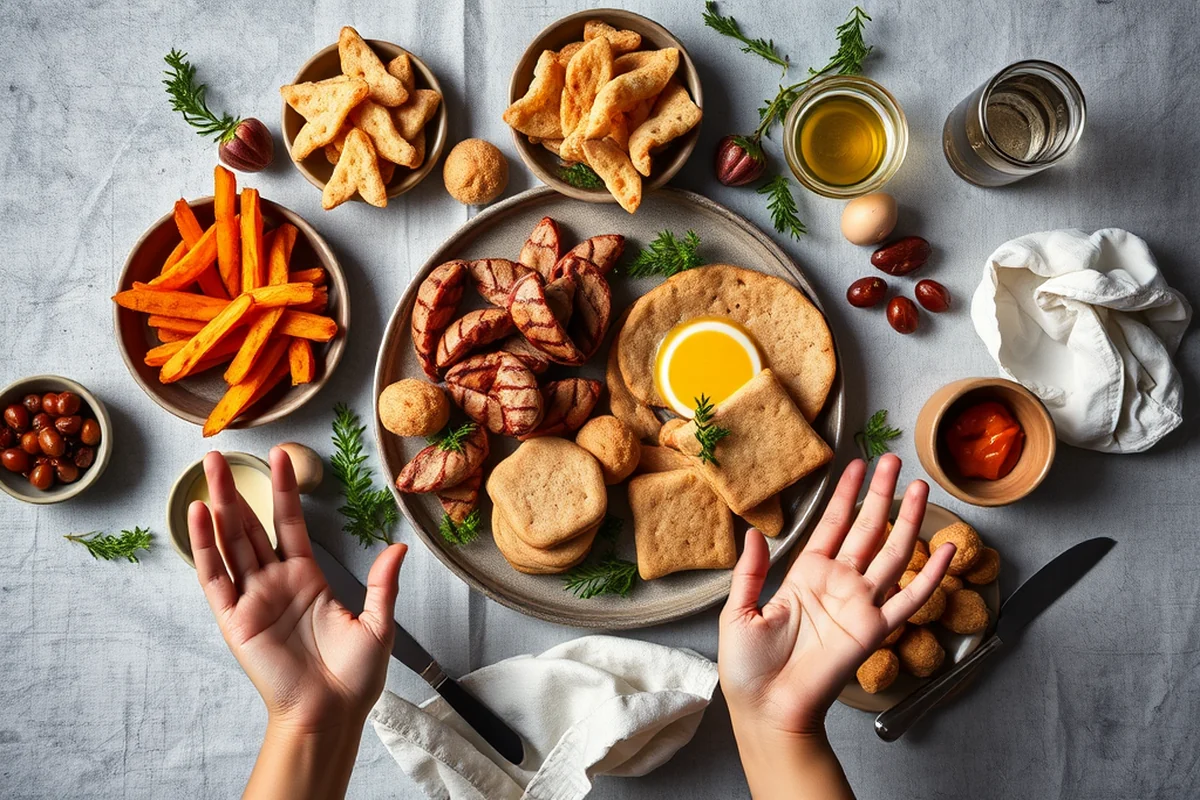
When hosting a party, the number of guests is one of the most important factors to consider. For a gathering of 12, I allocate around $10 per person, which gives me enough to cover all the essentials without overspending.
I’ve found that the more people you invite, the more you’ll need to spend on food, but there are ways to scale efficiently. For example, I’ve used a central appetizer table with shared items that can be passed around, which reduces the need for individual plates.
I’ve also noticed that the right number of guests can help maintain the quality of the spread. Too many guests can stretch the food too thin, while too few can make the event feel too small. A group of 12 strikes a perfect balance for me.
Related: Budget party food spreads that actually work
Creating a Memorable Experience Without Breaking the Bank
I’ve learned that the food is just one part of the equation. The atmosphere, music, and overall flow of the party also play a crucial role in making the event memorable. For a recent party, I used a playlist that matched the mood of the evening, which made the whole experience more enjoyable.
I’ve also found that small touches like personalized thank-you notes or a custom playlist can make a big difference. These don’t cost much but can leave a lasting impression on your guests.
I’ve hosted parties where the food was the main focus, and others where the overall experience was equally important. Both have been successful, but I’ve found that combining the two creates the most unforgettable events.
💰 Budget Party
Host a fun and engaging party without spending a lot. Focus on simple, shared food items and DIY touches.
🏠 Small-Space Party
Create a cozy, intimate party in a small space by using compact tables and clever storage solutions.
🌳 Outdoor Party
Bring your food spread to the great outdoors with picnic-style setups, weather-appropriate items, and easy-to-serve foods.
🍷 Grown-Up Version
Host a sophisticated event with a curated menu, elegant tableware, and a focus on quality over quantity.
✨ Low-Effort Party
Set up a party that requires minimal effort with pre-made food items, easy-to-serve options, and a relaxed atmosphere.
| The mistake | Why it happens | The fix |
|---|---|---|
| Not planning ahead and rushing the setup. | This can lead to last-minute costs and a disorganized event. | Start planning at least two weeks in advance and create a detailed checklist. |
| Ignoring the number of guests and over or underestimating the amount of food needed. | This can lead to either waste or not enough food for your guests. | Use a guest count and allocate around $10 per person for food. |
| Trying to do everything yourself and not delegating tasks. | This can lead to stress and burnout, making the event less enjoyable for you and your guests. | Assign tasks to guests or friends who can help you set up and manage the event. |
| Neglecting the overall atmosphere of the party. | A great food spread can be overshadowed by a lack of ambiance or entertainment. | Add music, lighting, and small decor items to create a more engaging environment. |
Related: Best budget party food spreads
How To Party Food Spreads Budget
Related: Party food spreads budget tips
Smart Timing and Seasonal Shopping for Cost Savings
I save the most money by buying seasonal produce and perishables. For example, buying strawberries in June costs about half of what they do in February, and the quality is much better. I’ve also found that major grocery stores run seasonal sales on items like cheese, bread, and wines, which are great for party spreads. Last spring, I picked up a case of fresh asparagus for less than $3 per bunch, which I used for a gourmet appetizer platter and it was a hit with guests.
I also time my shopping around holidays and special sales events. Black Friday and Cyber Monday often have deals on kitchenware, serving trays, and even food items like cheese boards and pre-made charcuterie kits. I once bought a set of 12 porcelain plates for $25 during a holiday sale — they were perfect for a small gathering and have been reused multiple times. By waiting for these events, I’ve managed to save over $200 on party essentials in the past year.
Additionally, I use apps like Honey and Rakuten to track coupon deals and cashback opportunities when shopping for food and supplies. These tools help me find discounts on items like cheese, wine, and even non-perishables like crackers and pretzels. By combining seasonal shopping with smart timing and couponing, I’ve been able to create impressive food spreads for under $150 per event, even for larger gatherings of up to 30 people.
Maximizing Leftover Ingredients for Future Events
Repurposing food from one event to another can significantly cut costs and reduce waste, while also saving time and effort.
I once hosted a summer barbecue and had leftover grilled chicken, which I froze and used for a subsequent potluck, saving about $25 on protein alone. By planning ahead and keeping an inventory of leftovers, I’ve been able to reuse ingredients for future events with minimal effort. This practice not only helps with budgeting but also reduces the environmental impact of single-use food items.
Keeping a list of leftover ingredients in a shared digital document or on a whiteboard makes it easy for others to see what’s available for reuse. I’ve found that labeling and dating leftovers clearly is essential—especially when dealing with perishables. This system has helped me avoid wasting food and has made meal planning for future events more efficient and less stressful.
One of the most practical ways I’ve used leftovers was turning leftover cake from a birthday party into cake pops for a cookie swap event. It was a hit with guests and saved me money on desserts. This kind of creativity transforms what might have been waste into a valuable asset for the next event, proving that thoughtful reuse can make a big difference in both cost and sustainability.
Common Questions
How can I make the food look more expensive without spending more?
What is the best way to source affordable food items?
How do I plan the budget for a party of 12?
Can I host a party with a tight budget and still impress my guests?
References
- Five Easy Snacks to Make for Your 2026 Super Bowl Party | BU Today (bu.edu)
- Food safety tips for Super Bowl parties (cafnr.missouri.edu)
- How CDC Investigates Foodborne Outbreaks (cdc.gov)
Cite this guide
Platterlane (2026). How To Party Food Spreads Budget. https://platterlane.com/how-to-party-food-spreads-budget/
Feel free to cite or share this guide.