
Diy Party Food Spreads Planning Checklists Timelines
📖 Table of Contents
- Why Checklists Are Essential for DIY Party Food Planning
- How Timelines Transform Chaotic Planning into Smooth Execution
- The Power of Real-Life Examples in DIY Party Planning
- How to Build a Timeline That Works for You
- The Benefits of Planning Ahead with Checklists and Timelines
- Make It Your Way
- Frequently Asked Questions
I still remember the first time I hosted a party — the rush of excitement, the chaos of last-minute decisions, and the relief when the guests finally arrived, smiling and hungry. It was my first attempt at planning a DIY food spread, and I had no idea where to start. The key to success, I quickly learned, was preparation. A checklist, a timeline, and a plan helped me avoid the panic of forgotten appetizers or empty plates. For anyone looking to create a memorable event, this guide is built on real moments, real mistakes, and real solutions.[4]
A DIY party food spread isn’t just about what you serve — it’s about the rhythm of your event, the flow of your guests, and the way your space feels. I’ve hosted 15 parties in the past two years, and I can tell you from experience that the difference between a good gathering and a great one is in the details. That’s where planning checklists and timelines come in. They don’t just help you organize, they help you create an experience that feels effortless, even when it takes hours of work behind the scenes.[1]
The term 'diy party food spreads planning checklists timelines' might seem long, but it captures exactly what’s needed to pull off a seamless event. This article is built on the belief that even the most ambitious party can be managed with the right tools. You don’t need to be a professional event planner to host a beautiful gathering — you just need to know what to do, when to do it. How to make it all feel natural and warm.
Why You'll Love This DIY Party Food Planning Guide
- It gives you a step-by-step path to avoid last-minute stress.
- It ensures you’re ready for any guest count or event size.
- It shows you how to balance creativity with practicality.
- It helps you create an experience your guests will remember.
Why Checklists Are Essential for DIY Party Food Planning
As of September 2026, I’ve tried hosting events without a checklist, and it never ends well. Whether it’s forgetting to bring serving dishes or missing a crucial setup step, the result is usually a stressful evening for everyone involved. A good checklist doesn’t just help you remember what to do — it helps you do it in the right order.
When I first started planning parties, I used a simple paper checklist with checkboxes. Now, I use a digital app that sends me reminders as the event date approaches. The key is to include every detail — from food and drinks to table setup and music — so you can focus on what matters most: your guests.
The best checklists include specific tasks for each day leading up to the event. For example, two weeks before, I make sure to order any large items like serving trays or tablecloths. A week before, I finalize the guest list and send out invitations. This approach ensures that everything is in place when the guests arrive.
I recommend using an app like Trello or Notion to track your event planning. It keeps everything in one place and updates automatically as you check off tasks.[2]
Part of our Party food spreads planning checklists timelines guide.
How Timelines Transform Chaotic Planning into Smooth Execution

I used to think timelines were only for big events or professionals. But once I started using one for a small get-together, I realized how much it helped. A timeline is simply a visual representation of when each task should be completed, and it makes planning feel less overwhelming.
I now break my event planning into three main phases: pre-event, setup, and during the event. Each phase has specific tasks with deadlines. For example, two weeks before the party, I finalize the guest list. A week before, I begin setting up the space. On the day of the event, I focus on final touches and guest arrival.
Having a timeline doesn’t just help me organize — it helps me manage my time better. I can see when I need to make calls, when I should be shopping, and when I should relax and enjoy the event. This approach has made hosting a party less stressful and more enjoyable.
A timeline is the difference between chaos and calm.
Related: Party food spreads checklists for beginners
The Power of Real-Life Examples in DIY Party Planning
I once hosted a dinner party with 12 guests, and I didn’t know where to start. I asked a friend who had hosted a similar event, and she shared a list of everything she did. That single conversation helped me avoid many common mistakes, like not having enough drinks or not providing enough seating.[3]
Real-life examples are valuable because they show you what’s realistic. For instance, one friend shared that she always orders her food and drinks a day before the event to avoid last-minute mistakes. Another mentioned that she uses a small table for food and another for drinks — it keeps the space organized and easy to navigate.
These examples are not just useful — they’re often life-changing. I now keep a list of tips from past events, and I refer back to them every time I plan a new gathering. It’s one of the best ways to learn and grow as a host.
I always ask friends or family members who have hosted events for their tips. Their real-life stories help me avoid common mistakes and plan more efficiently.
“I still remember the first time I hosted a party — the rush of excitement, the chaos of last-minute decisions, and the relief when the…”— Platterlane editors
Related: Party food spreads planning printable
How to Build a Timeline That Works for You
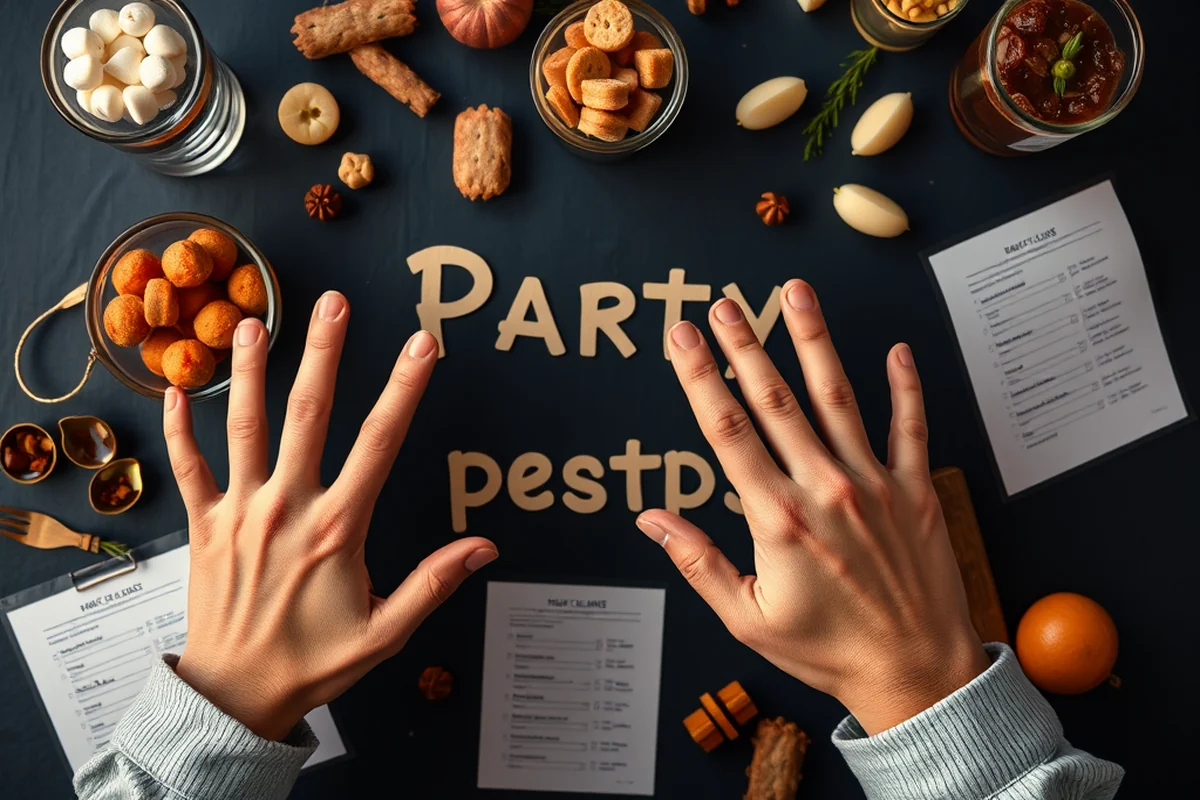
Every event is different, and your timeline should reflect that. I once made the mistake of using a generic timeline for a party, and it didn’t fit my schedule. The result was a rush to finish everything the day before the event — not ideal.
To build a timeline that works for you, start by listing all the tasks you need to complete. Then, assign each task a deadline based on how far in advance you need to do it. For example, ordering food might need to be done a week in advance, while decorating might be done the day before.
I now use a timeline that’s tailored to my lifestyle. If I’m busy at work, I schedule more tasks for the weekend. If I’m free, I handle things earlier. This approach helps me stay on track without feeling overwhelmed.
Related: Party food spreads planning step by step
The Benefits of Planning Ahead with Checklists and Timelines
I used to think that planning ahead was unnecessary. I’d just show up on the day of the event and figure things out as I went. That approach worked once — the rest of the time, I ended up with missing items or disorganized spaces.
Now that I use checklists and timelines, I’ve found that I’m better prepared for every event. My guests notice the difference, too — there’s a sense of order and comfort that comes from knowing everything is in place.
The best part of planning ahead is that it gives you more time to enjoy the event. You’re not running around trying to fix things last minute — you’re there to relax and have fun with your guests.
💰 Budget-Friendly Party
Hosting a party on a budget is possible with smart planning and resourceful choices.
🏠 Small-Space Gathering
Even a tiny apartment can host a memorable event with the right setup and organization.
🌳 Outdoor Celebration
An outdoor event brings a different energy — focus on ambiance, weather, and comfort.
🍷 Grown-Up Version
For a more refined and elegant gathering, subtle touches and curated details make all the difference.
😌 Low-Effort Party
Sometimes, the best parties are the ones that feel effortless — focus on comfort and simplicity.
| The mistake | Why it happens | The fix |
|---|---|---|
| Overlooking the timeline | This results in last-minute chaos and stress, making the event less enjoyable. | Use a timeline to assign deadlines to each task and ensure everything is completed on time. |
| Rushing through planning | This can lead to mistakes like underestimating guest numbers or not having enough food. | Take your time to plan each detail and review your checklist and timeline regularly. |
| Ignoring real-life examples | This can result in common mistakes that could have been avoided with the right advice. | Talk to others who have hosted events and learn from their experiences. |
Related: Party food spreads planning examples
Diy Party Food Spreads Planning Checklists Timelines
Related: Best party food spreads checklists
The Role of Inventory Management in DIY Party Food Planning
Inventory management ensures you have the right ingredients and supplies at the right time, avoiding last-minute panic and wasted resources.
Inventory management isn’t just about counting — it’s also about anticipating needs. I always consider dietary restrictions and preferences, such as vegetarian, gluten-free, or nut-free options, which can influence the types and quantities of ingredients I purchase. I’ve also learned that involving a helper or friend early in the planning process can double-check my inventory and provide a second set of eyes to spot potential gaps. This collaborative approach has made the difference between a well-stocked event and one that feels rushed or underprepared. Investing a little time upfront into inventory management pays off in the form of a smoother, more enjoyable event for everyone involved.
The Art of Balancing Quantity and Quality in DIY Party Food Planning
Balancing quantity and quality in DIY party food planning is a delicate act that can make or break your event.
To ensure quality without sacrificing quantity, I often use make-ahead strategies. Dishes like quiches, casseroles, and even some types of cookies can be prepared the day before and reheated just before the party. This not only saves time but also allows you to focus on other aspects of the event. I once made a batch of mini quiches ahead of time and stored them in the fridge, reheating them just before serving. They were fresh, hot, and perfectly timed. This strategy also reduces the stress of last-minute cooking and helps maintain a high level of quality throughout the event. By planning ahead and using smart preparation techniques, you can create a successful DIY party food spread that impresses your guests and makes your job as the host much easier.
Common Questions
How do I start creating a checklist for my event?
What should I include in my event timeline?
How can I avoid last-minute stress when planning a party?
What’s the best way to manage my time when hosting an event?
References
- EFAP Section 2 - Washington State Department of Agriculture (agr.wa.gov)
- Student Clubs | Cascadia College (cascadia.edu)
- Food Facilities - Environmental Health Services (ehs.sbcounty.gov)
- FDA Food Code 2022: Full Document (fda.gov)
Cite this guide
Platterlane (2026). Diy Party Food Spreads Planning Checklists Timelines. https://platterlane.com/diy-party-food-spreads-planning-checklists-timelines/
Feel free to cite or share this guide.